Why Yoga Sculpt Leaves You Sorer Than an Actual Lifting Session
Quick Answer: Yoga sculpt combines very high rep counts, long time under tension, minimal rest, and unfamiliar movement patterns — all four of which drive soreness. A lifting session at 5 sets of 5 involves 25 reps per exercise; a sculpt class can involve 60 to 100 continuous reps of a similar pattern. The volume and the novelty, not the load, are what produce the next-day experience.
Experienced lifters walk into a sculpt class expecting an easy hour with 5-pound weights and are genuinely surprised two days later.
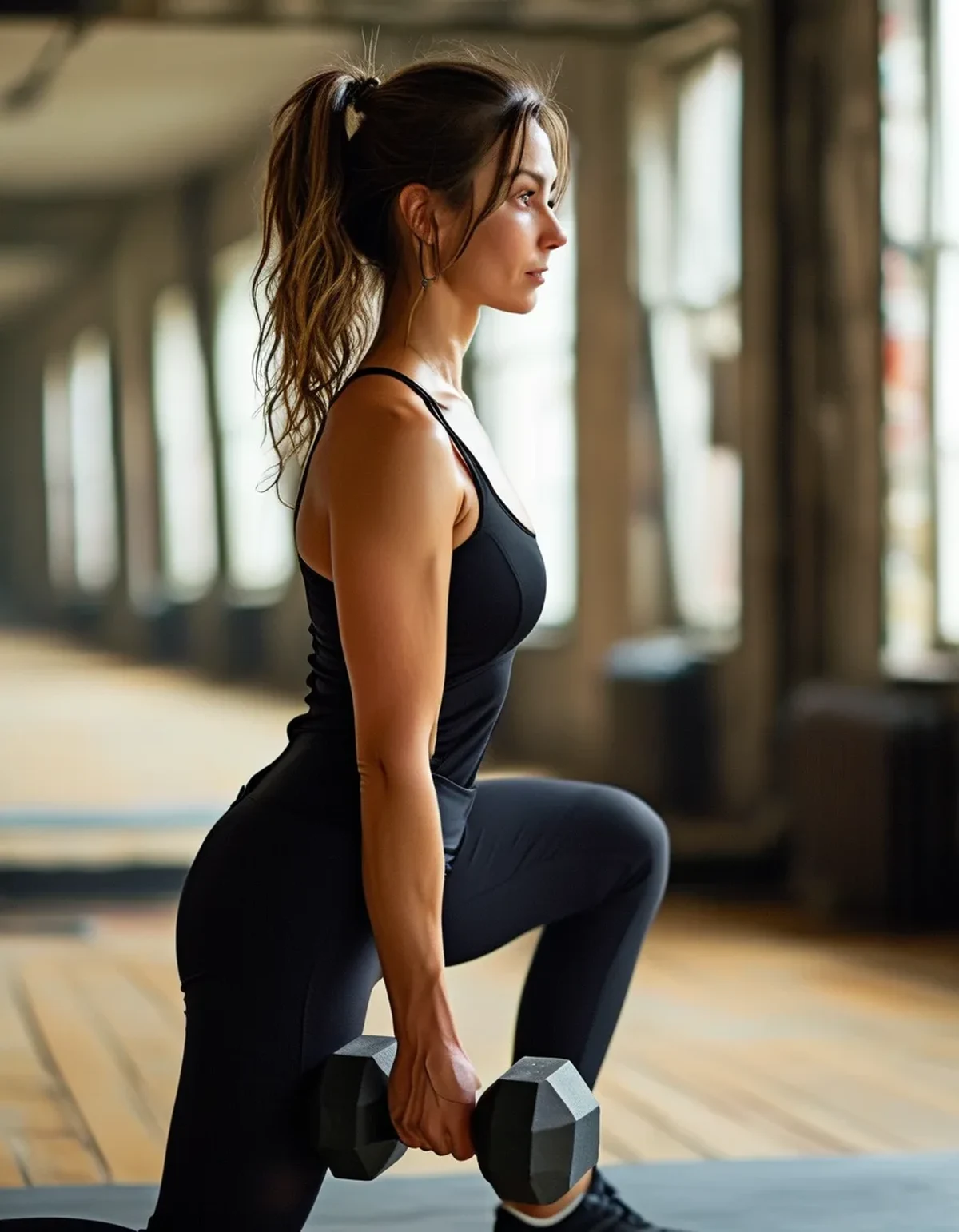
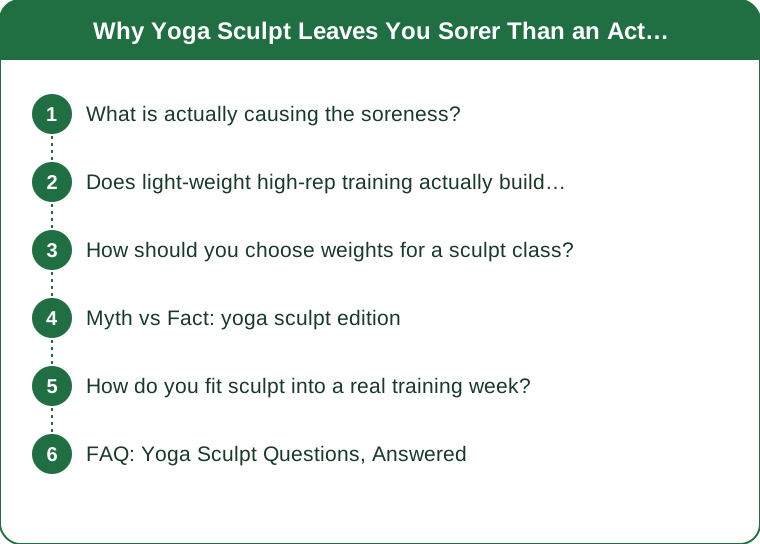
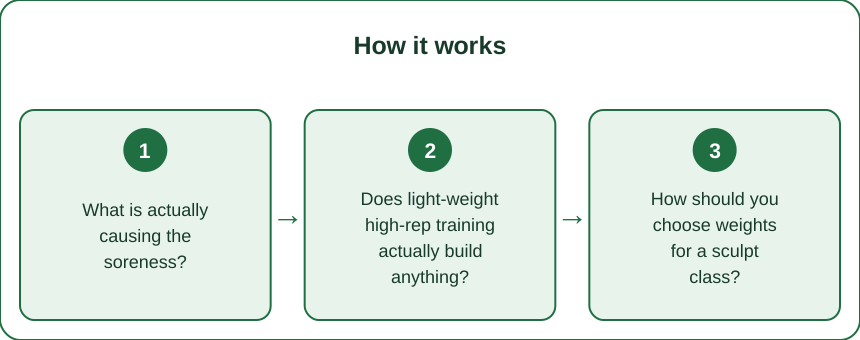
What is actually causing the soreness?
Four factors stacking, none of which is the weight.
Volume is first. A sculpt class might have you doing continuous bicep work for two full minutes — 60 to 80 reps without setting the weights down. Very few strength programs approach that rep count in a single exposure.
Time under tension is second. Sculpt formats frequently include pulses and holds at the hardest joint angle, which means the muscle never gets the brief unloading a full range rep provides.
Movement novelty is third, and this one is underrated. Delayed onset muscle soreness tracks unfamiliarity strongly, and a lifter who has never done 40 pulsing lateral raises in a lunge position is doing something genuinely novel regardless of their strength.
And fourth, minimal rest. Sculpt classes flow continuously, so metabolic stress accumulates far beyond what a set-and-rest structure produces.
Does light-weight high-rep training actually build anything?
Yes, and the research here has shifted meaningfully over the past decade.
Studies comparing high-load low-rep training to low-load high-rep training taken close to failure have repeatedly found comparable hypertrophy outcomes. The key qualifier is proximity to failure — light weights build muscle when the set is genuinely hard at the end, and sculpt formats generally satisfy that.
Maximal strength is a different story. Heavy loads remain clearly superior for developing the neural components of maximal force production, and a sculpt class will not make you squat more.
So the honest framing is that sculpt is a legitimate hypertrophy and muscular endurance stimulus, and a poor maximal strength stimulus. Both of those things can be true, and choosing sculpt does not mean you are getting nothing.
How should you choose weights for a sculpt class?
Lighter than your ego wants, which for lifters is a genuine adjustment.
A useful test: pick a weight you could do 30 clean reps with if you had to. In a class that has you doing 60 continuous reps with pulses, that weight will be plenty by rep 45.
For most people that lands at 3 to 8 pounds for upper body isolation work and 8 to 15 for compound movements. Going heavier does not make the class more effective; it makes you drop out of the sequence early, which is worse.
A useful strategy for lifters: bring two sets. Use the heavier pair for the compound and lower-body sequences and switch to the lighter pair for the shoulder and arm work, which is where the rep counts spike.
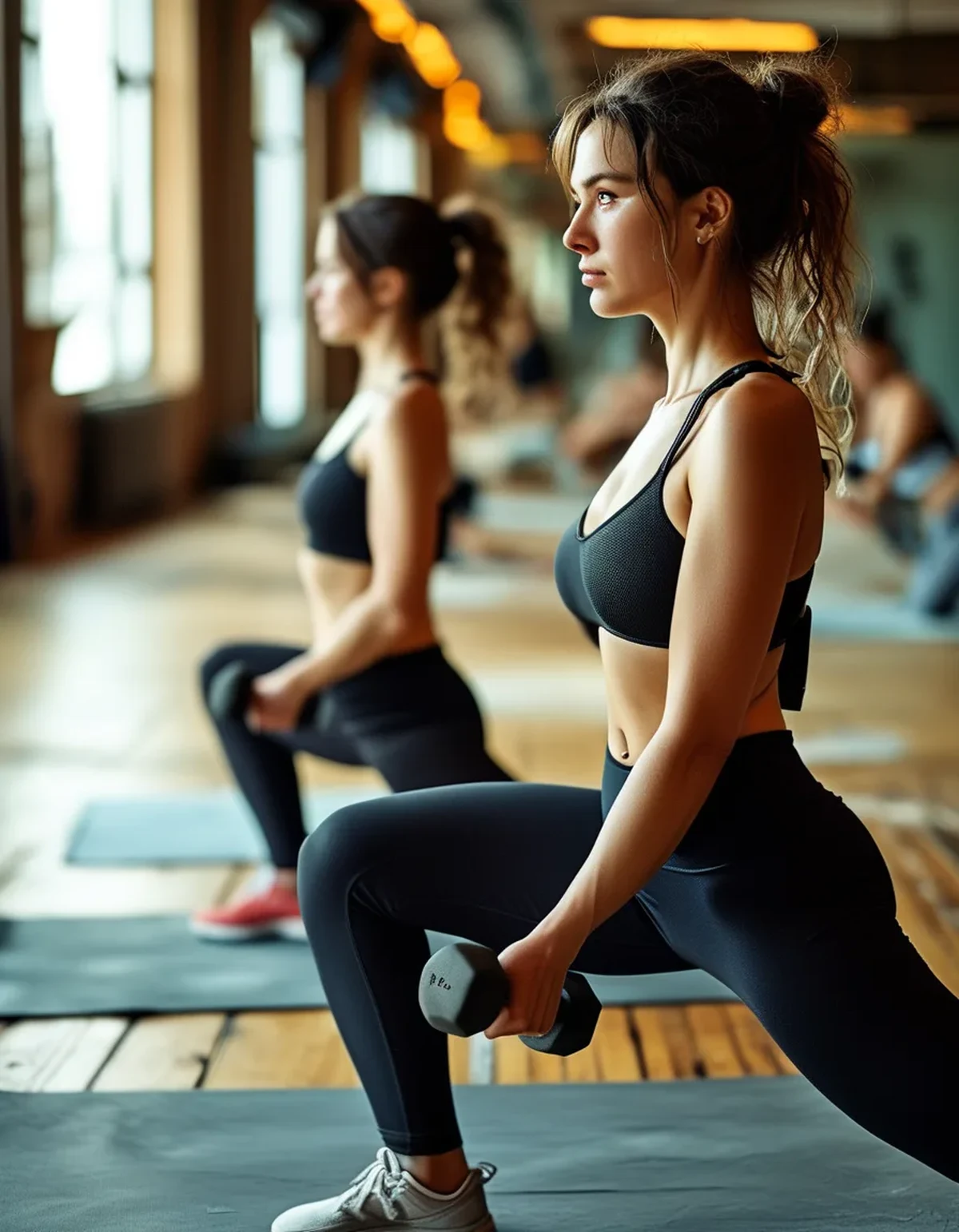
Myth vs Fact: yoga sculpt edition
Myth: Light weights tone rather than build. Fact: There is no separate toning mechanism. Muscle grows or it does not, and light weights taken near failure do grow it. What people call tone is muscle plus body composition.
Myth: Sculpt can replace a strength program. Fact: It can replace a hypertrophy-focused one reasonably well. It cannot replace heavy compound training for maximal strength or for bone loading.
Myth: The heat makes it more effective. Fact: The heat raises heart rate and perceived exertion and makes you sweat more. It does not increase the training stimulus to the muscle, and it does increase dehydration risk.
Myth: Soreness this severe means injury risk. Fact: Soreness from novel high-volume work is normal and settles as you adapt. A second class within the same week is far less sore than the first. Sharp or joint-localized pain is a different thing.
How do you fit sculpt into a real training week?
Treat it as a hypertrophy and conditioning session, and program around it accordingly.
Do not put it the day before a heavy lower-body day. The soreness from a sculpt class routinely peaks 48 hours out and will meaningfully reduce force output.
Two sculpt classes a week alongside two heavy lifting sessions is a workable structure for most people, with the sculpt classes placed after the lifting days rather than before.
Expect the first three to four classes to be disproportionately sore, then for it to normalize sharply. This is the repeated bout effect, and it is one of the most reliable phenomena in exercise science — the second exposure to a novel stimulus produces dramatically less damage than the first.
And hydrate for the heat specifically. A heated class in a humid room produces substantially higher fluid losses than a normal gym session, and showing up already low is where most of the bad experiences come from.
FAQ: Yoga Sculpt Questions, Answered
Why am I sorer than after a heavy leg day?
Rep volume and novelty. A heavy leg day might involve 25 total squat reps; a sculpt class can involve hundreds of leg reps across the hour with almost no rest.
Should I go back while still sore?
Moderate soreness is fine to train through with a different emphasis. If the soreness is severe enough to alter how you move, wait — moving badly in a heated class with weights is where problems come from.
Is the heat necessary?
No. Unheated sculpt formats deliver the same muscular stimulus with less dehydration risk. The heat is a preference and an intensity amplifier, not a requirement.
TL;DR:
- Volume, time under tension, novelty, and minimal rest cause the soreness — not the weight.
- Light-load training near failure builds muscle comparably to heavy training.
- Pick a weight you could do 30 clean reps with, and bring two pairs.
- The first three classes are disproportionately sore, then it normalizes fast.
The lifters who dismiss sculpt after one class are usually the ones who picked 15-pound weights and blew up by minute 20. Go lighter than feels right, finish the sequences, and it becomes one of the more efficient hours in a training week.
See It in Motion
Seen here: Bootcut Capri Yoga Pants with Pockets — shop similar styles on bubblelime.com
Keep Reading
This article is for general informational and styling purposes only. Fit, sizing, and product availability may vary.